
Anniversary Fund: Aid in Uganda and Kenya
Veröffentlicht am
Published on 22.09.2026
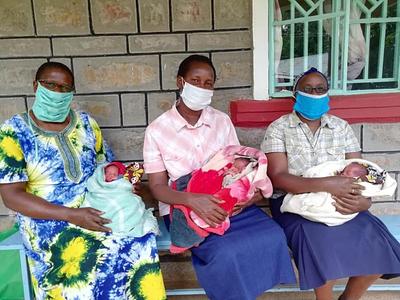
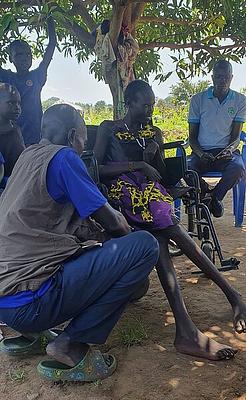
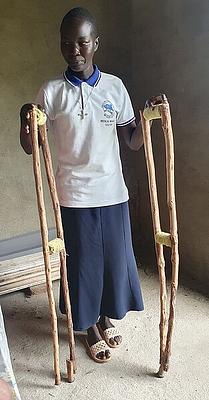
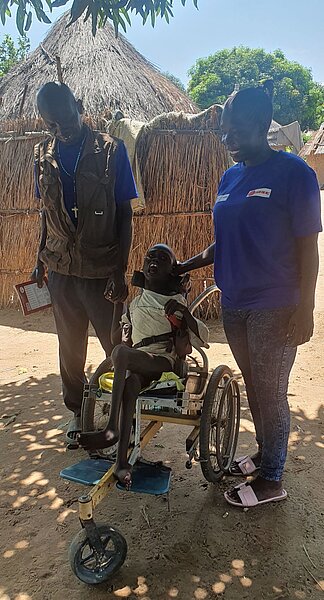
Thanks to your donations during our anniversary year in 2025—100 years of MMS—we were able to provide long-term support for three projects in Uganda and Kenya. Our sisters on the ground are working to help refugees from South Sudan, people in rural areas who lack access to health care, and mothers and their babies to protect them from HIV/AIDS transmission.
In Adjumani, in northern Uganda on the border with South Sudan, MMS is setting up a rehabilitation center. Refugees who have suffered life-altering injuries receive physical therapy here. More than 200,000 refugees and asylum seekers from eight African countries live in Adjumani. The vast majority come from neighboring South Sudan, making Adjumani home to the country’s largest refugee population. Funds from the Jubilee Fund helped support the establishment of the rehabilitation center.
Eastern Uganda, on the border with Kenya, is a very remote area. The population, most of whom live in poverty, has no access to health care. MMS is now building a health clinic in Tororo to provide medical care to the people. The funds from the Jubilee Fund are being used to build this clinic. To complete construction and equip the clinic, MMS continues to need financial support on the ground.
Since 2006, the MMS in Angi’ya/Homa Bay, Kenya, has been providing basic medical care for prevention through the “Ang’iya Good Shepherd Dispensary” in a poverty-stricken catchment area with 6,500 residents. The clinic runs an extensive HIV/AIDS program, as Homa Bay has the highest HIV/AIDS prevalence in Kenya at 19.6%, compared to the national average of 4.9%. A nurse in charge of the well-organized program for the prevention of mother-to-child transmission (PMTCT) cares for HIV-positive mothers. Every month, 50 mothers come to the clinic to give birth to their babies.
Thanks to the anniversary fund, the clinic was able to receive support.
However, payments for medications from the government and USAID have since been discontinued, which is why the nurses need financial support to purchase the necessary medications.